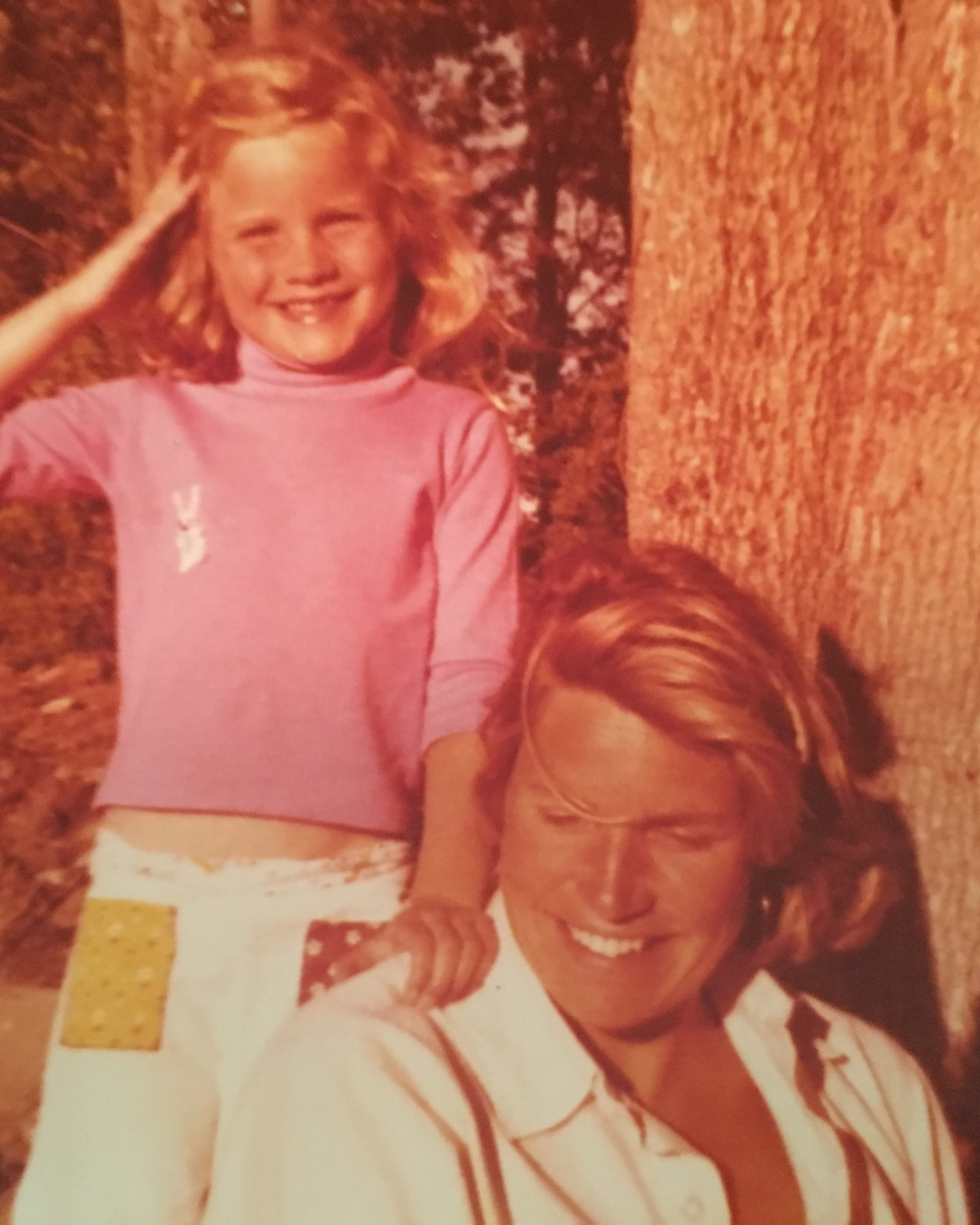
I Hated That My Mom Worked. Then I Became a Working Mom.
When I was little, I hated that my mom worked. I don’t mean that I occasionally wished she were home more. I mean I wanted a different arrangement.
My mom was a lawyer and she worked full-time. I don’t have many memories of her being home during the day. Other families seemed to have mothers who were around in the afternoons and family dinners at night. My parents, both lawyers, often came home in time to tuck me into bed.
I wanted what those other kids had.
If you had asked me then what I wanted to be when I grew up, I would have told you I wanted to be a stay-at-home mom. I was going to do it differently. And yet, as I got older, something else happened. I began to understand who my mother was.
She was a lawyer, spearheading the field of mediation and arbitration. She was accomplished and powerful and deeply engaged with the world. She was a badass and I became enormously proud of her. She wasn’t only my mom, she was one of the women who taught me what a woman’s life could look like.
And she came from a line of women who had been doing that for generations. Margaret Fuller is part of my family history, a woman who was arguing for women’s freedom, education, and intellectual independence in the 1840s, long before women even had the right to vote.
I grew up with a legacy of women who believed women belonged in the world. And still, I wanted my mom to come home. Both things are true.
I wish I had had more ordinary time with her. I wish we’d had more family dinners and I wish there had been afternoons when I knew she’d be there. I also wouldn’t trade the woman she showed me it was possible to become.
And there is something else that feels important to say. I had an incredible relationship with my mom. I knew she loved me. I never questioned that. I trusted her, I talked to her about the intimate details of my life, and my friends adored her and used to tell me they wished she were their mother.
I wanted more of her because I loved being with her.
For a long time, I think I held those two parts of my childhood separately. There was the mom I wished had been home more, and there was the mom I loved and admired enormously for all the many important things she was doing in her life. It took becoming a mom myself to understand that they were the same woman.
I stayed home when my first daughter was born. Eventually, when she was about 18 months old, I went back to my therapy practice. We had an in-home nanny and did a nanny share. After my second daughter was born, I went back for a few hours a day at about 4 months postpartum, and then I went back full time (to the Postpartum Wellness Center I had founded) when she was about eight months old. Both of my girls eventually went to preschool when they were around two and a half.
This was not the plan little-girl me had made. I had imagined that once I had children, wanting to be with them would make everything else less important. It didn’t. I adored my daughters. I also wanted to work.
My work was meaningful to me. I was good at it. There were parts of me that came alive through it, and I had big professional dreams. Becoming their mom hadn’t erased those parts of me, and even though I knew the early years with my daughters were tender and sweet and a part of me longed to want to stay home with them longer than I did, I just knew that continuing my professional journey was something inside of me that needed attention for all of us to thrive.
And suddenly I had access to a side of my mother’s life that I couldn’t possibly have understood as her child.
Once a mom myself, I could understand how a woman could desperately love her children and still want a life that included work. How leaving your child could hurt and going to work could still feel right. How you could miss your children while you were away from them and also need something that belonged to you. How love doesn’t always tell us exactly what to do.
Now, decades later, I spend much of my professional life sitting across from women who remind me of my mother. They are physicians, executives, attorneys, entrepreneurs, athletes, creators, and leaders. They are women who have spent years building careers and organizations and ideas they care deeply about.
Then they become mothers. And many of them were suddenly terrified that the very qualities that helped them build those lives are somehow incompatible with being the kind of mom they want to be.
They worry about childcare and they feel guilty walking out the door. They wonder if their child will resent them. They worry that they’re missing too much. They so often watch another mom at preschool pickup and wonder whether that woman’s child is getting something theirs isn’t. And I’ve found myself in the extraordinary position of telling these women something I wish I could talk about with my own mom, who died 10 years ago.
Your child may sometimes wish you were home. I did. That isn’t the same thing as your child being harmed by your work.
I think we get ourselves into trouble when we try to make this conversation easier than it is. I don’t want to tell working mothers that the amount of time they spend with their children is irrelevant. Children need us. Relationships need time. The ordinary moments count too.
I wish I’d had more of those ordinary moments with my mom.
There are things I help women look at honestly. Is there enough space in your life to actually know your child? Can you sit down for dinner sometimes? Can you put your phone away and be with them? Can you make it to the soccer game sometimes, take them to the doctor, stay home when they’re sick, hear the long story about what happened at recess?
Sometimes the answer is no, and something does need to change. But the answer isn’t necessarily to abandon the work you love. And guilt isn’t always proof that you’re doing something wrong. Sometimes guilt is the feeling that shows up when two things you love ask something of you at the same time.
I think about my mom differently now, and there is so much I wish I could talk with her about. Truthfully, I think she’d likely be shocked to hear about the focus of my work today. She knew how I felt as a child because she made it safe for me to talk with her about it.
I wonder what she felt when she left for work. I wonder what it was like for her to know how much I wanted her home. I wonder whether she felt guilty and if she worried about what her choices would mean for me.
And because she isn’t alive anymore, I can’t ask her. What I can tell her, in whatever way we get to keep talking to the people we love after they’re gone, is what happened next.
Her daughter grew up. She became a mother. She worked. She raised two daughters who watched her care deeply about them and care deeply about her work. And she built a career helping other women believe that they shouldn’t have to disappear in order to be good moms.
There’s a part of me that still wishes my mom had been home more. I don’t need to talk that little girl out of what she wanted. She wanted more time with her mom. Of course she did. But I also know something now that she couldn’t have known.
I didn’t only inherit my mother’s love, I inherited her ambition. I inherited her belief that women have something to contribute. She passed along her willingness to take up space in a world that still asks women, and especially mothers, to make themselves smaller.
I come from women who did that before either of us. Perhaps my work isn’t to reject that inheritance or repeat it exactly as it was handed to me. Maybe my job is to carry it forward differently. By helping women build lives in which they don’t have to choose between being deeply engaged mothers and fully expressed human beings. By helping them notice when work has taken too much and make changes without deciding their ambition is the problem. By helping them come home and actually be home (my mom was great at this part). By helping them tolerate the fact that their children will sometimes want more from them than they can give. And to help them trust that a child can wish Mom were at pickup and still know, all the way down to their bones, that they are loved.
I know that because I was that child. I wish I could tell my mother that now. I think she’d understand exactly what I mean.