If you want women to lead, you have to understand what happens when they become mothers.
For more than 20 years, Kate Kripke has studied what happens when ambitious, highly capable women become mothers—and what that transition can teach us about leadership, relationships, human development, and the organizations that depend on women thriving.

This isn’t a parenting talk.
It’s a conversation about what motherhood reveals about women—how we develop, how we lead, how we relate, and what happens when the strategies that have made us successful meet parts of life that cannot simply be predicted, controlled, or solved.”
For organizations, those questions have profound implications for women’s leadership, advancement, well-being, and retention.
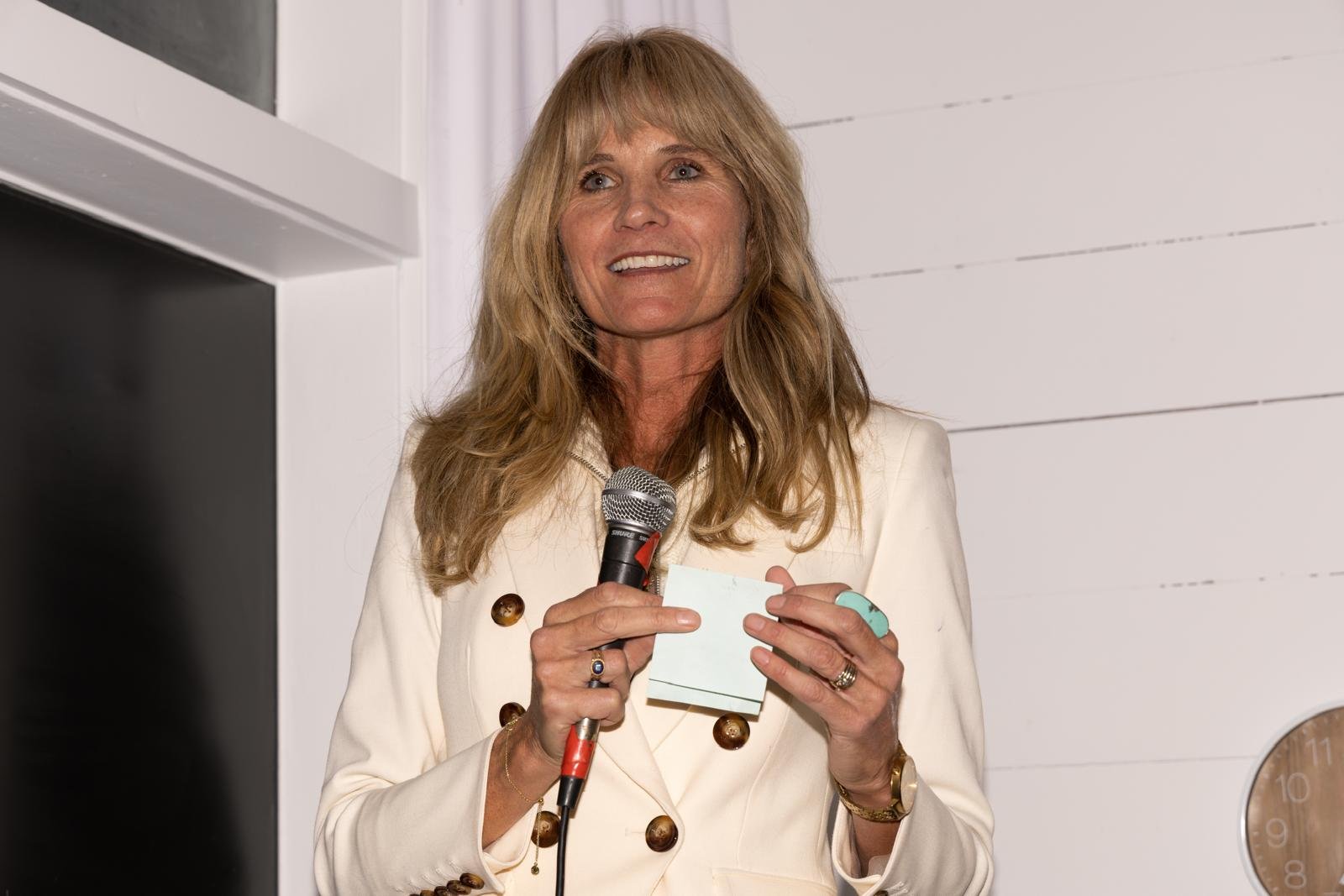
Twenty years of listening to
ambitious
women changed the questions Kate was asking.
Kate Kripke, LCSW, PMH-C, has spent more than two decades working closely with women and families through one of adulthood’s most profound developmental transitions: becoming a mother.
As a clinician, and now as a speaker, author, and mentor to ambitious mothers, Kate has had a front-row seat to a striking pattern. Women who are extraordinarily good at planning, anticipating, performing, and solving problems can suddenly find themselves questioning their competence when those same strategies don’t work in the uncertainty and emotional complexity of motherhood.
Kate’s work explores what happens at that intersection—and what it can teach us about far more than motherhood.
Her emerging framework of Strategic Intelligence, Relational Intelligence, and Fluency offers a new way to think about how women navigate motherhood, leadership, relationships, uncertainty, and the parts of life that cannot simply be solved.
LCSW • PMH-C • Speaker • Author • Mentor • Founder • Host of Motherhood Uncut
FLAGSHIP KEYNOTE

Audience Takeaways
Audiences will:
Recognize the limits of achievement-based strategies in situations that require presence, connection, and the ability to tolerate uncertainty.
Understand Strategic and Relational Intelligence and why human flourishing requires access to both.
Learn to ask a new question in moments of stress or uncertainty: What kind of intelligence does this moment require?
See motherhood through a developmental lens, recognizing that struggle does not necessarily signal deficiency and can instead reveal capacities waiting to be strengthened.
Apply Fluency beyond motherhood to leadership, relationships, decision-making, conflict, and the inevitable uncertainty of being human.
Motherhood Requires a Different Kind of Intelligence
What 20 Years of Studying Ambitious Women Taught Me About Connection, Leadership, and Human Flourishing
What if we’ve underestimated what motherhood can develop in a woman?
Keynote Description
For more than 20 years, Kate Kripke has worked with ambitious, highly capable women as they navigate one of adulthood’s most profound transitions: becoming a mother.
Again and again, she has watched women who are extraordinarily good at planning, anticipating, solving problems, and getting things done suddenly question themselves when those same strengths don’t work in the unpredictable, emotionally complex world of motherhood.
Kate believes this collision reveals something important—not only about motherhood, but about human development.
In this provocative and deeply relatable keynote, Kate introduces two forms of intelligence: Strategic Intelligence, the capacity to analyze, predict, plan, execute, and solve; and Relational Intelligence, the capacity to stay present and engaged when life is uncertain, uncomfortable, or different from what we expected.
The goal isn’t to trade one for the other. It’s to develop Fluency: the ability to recognize what kind of intelligence a moment requires and move intentionally between the two.
Through stories, science, humor, and more than two decades of work with women and families, Kate invites audiences to see motherhood differently—not as an interruption to a woman’s personal or professional development, but as an experience that can call forward capacities that change how she parents, leads, loves, works, and moves through the world.
And while motherhood is the lens through which Kate discovered this framework, its implications extend far beyond motherhood. Fluency offers all of us a way to think differently about leadership, relationships, uncertainty, and the moments in life that cannot simply be solved.
LEADERSHIP & ORGANIZATIONS
Audience Takeaways
In this provocative keynote, Kate challenges organizations to rethink motherhood not only as a period when women may need greater support, but as a profound developmental experience that can strengthen capacities increasingly essential to effective leadership.
Because perhaps the question isn’t only how organizations can keep talented women advancing after they become mothers.
Perhaps it’s also whether we’ve recognized the leaders they may be becoming because of it.
How Motherhood Can Develop the Relational Intelligence Our Workplaces Need Most
Organizations have spent decades investing in the development and advancement of women leaders. Yet when those same women become mothers, the conversation often shifts from development to accommodation.
Leave. Flexibility. Childcare. Benefits. Return-to-work plans. Retention.
Those things matter. But what if we’re overlooking something much bigger?
For more than 20 years, Kate Kripke has studied what happens when ambitious, highly capable women become mothers. Motherhood places women in a world that cannot always be predicted, optimized, controlled, or solved—and in doing so, can create a powerful opportunity to develop another form of intelligence.
Kate calls it Relational Intelligence: the capacity to stay present and engaged with reality when it is uncertain, uncomfortable, or different from what we expected.
These capacities don’t stay at home.
The ability to tolerate uncertainty. Listen before solving. Remain present through discomfort. Repair after rupture. Respond rather than react. Hold competing realities. Stay connected while navigating disagreement. Know when a moment requires strategy—and when it requires relationship.
These are not simply parenting capacities.
They are leadership capacities.

WHO KATE SPEAKS TO
From women’s leadership summits to corporate organizations, Kate’s work resonates wherever ambitious women, leadership, relationships, and human development intersect.
Women’s Leadership Conferences • Corporate Leadership Events • Professional Associations • Women’s ERGs • Healthcare Organizations • Law & Professional Services Organizations • Universities • HR & People Leadership Events • Maternal Mental Health & Women’s Health Conferences