The mom you’re comparing yourself to is struggling too
The day was hot. The dry kind of hot we get here in Colorado during the summer. My two young daughters were climbing up and down the slide while I sat in the shade at a picnic table nearby. I had absolutely zero energy to play.
The thought of climbing up that ladder and sliding down for the hundredth time felt unbearably boring. I loved my girls. I loved being with them. But I had no desire whatsoever to pretend I was four years old. So, instead, I sat and watched.
Around me, other mothers seemed to be doing motherhood differently. They were chasing their kids through the playground. Playing tag. Playing hide-and-seek. Pushing swings with endless enthusiasm.
Honestly, it kind of made me want to barf. And I found myself feeling irritated.
At first, I thought I was irritated with them. But if I’m being truthful, I think I was irritated with myself.
Why didn’t motherhood seem to come as naturally to me as it appeared to come to them? Why wasn’t I enjoying this the way they seemed to be enjoying it? Was I doing something wrong?

This is what so many of us do in motherhood. We look around and assume everyone else is handling it better. We compare our insides to someone else’s outsides. We decide that because another mom looks calm, connected, patient, joyful, confident, or playful, she must have figured something out that we haven’t.
But after more than twenty years of working with mothers, I can tell you something with certainty:
The moms you’re comparing yourself to are often struggling too.
Many of the women who look like they have it all together are carrying worries, fears, doubts, guilt, exhaustion, and uncertainty that you know nothing about. Sometimes they’re simply better at hiding it. Sometimes they’ve built an entire identity around appearing like they have it together. And sometimes they’re sitting across from me in my office telling me just how lost they feel.
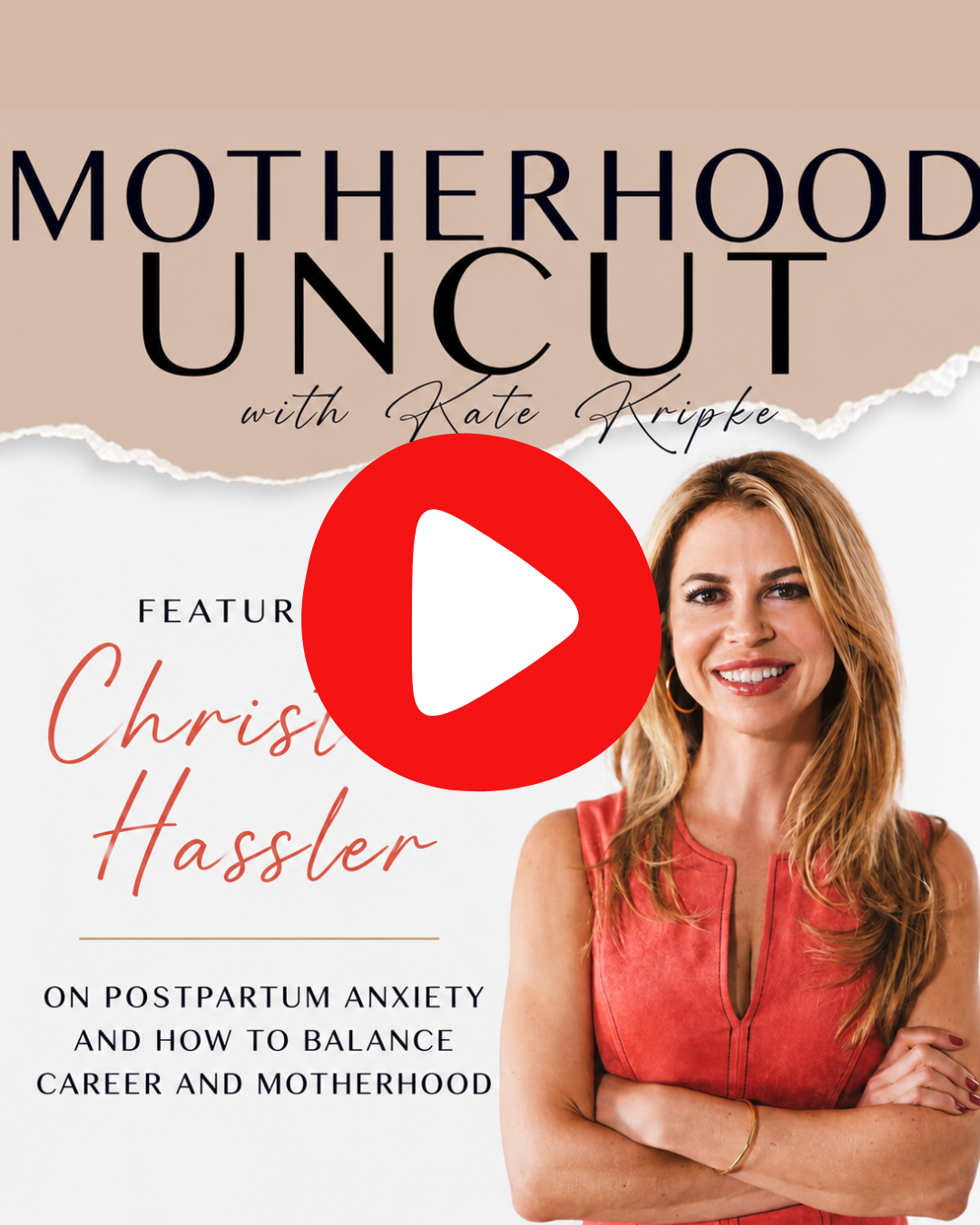
One of those women is my friend and colleague Christine Hassler.
Christine is a world-renowned coach and transformational teacher. People seek her out for her wisdom, insight, and guidance. From the outside, it would be easy to assume that she navigated motherhood with complete confidence.
But after her daughter was born, she struggled just like so many of us do.
I invited Christine onto the Motherhood Uncut podcast because I wanted mothers to hear what is so often left unsaid:
even the women we admire, even the experts, even the ones who seem to have it all figured out, struggle too.
As you’ll hear in our conversation, motherhood brought her face-to-face with parts of herself she wasn’t expecting.
If you’ve ever looked around and wondered why motherhood feels harder for you than it seems to feel for everyone else, this conversation is for you.
More than anything, I hope it reminds you that you’re not alone.
“I was in a total trauma response. I was in hypervigilance at 100%. The problem with constantly trying to fix my child was that I had to keep looking at her through the lens of something is broken—which is one of my deepest wounds. Then I realized I was doing that, and it hit me: I was perpetuating my own trauma onto my child.”